





Liquid Fertilizer Production Process
Our liquid fertilizer production systems dissolve, blend, and stabilize nutrients into consistent, ready-to-apply solutions that support plant growth effectively. We provide a liquid fertilizer production line with end-to-end services from initial design to full-scale operation, ensuring your facility doses every formula accurately and delivers stable, high-quality liquid fertilizers batch after batch.
STEP 1 : Raw Material Dosing
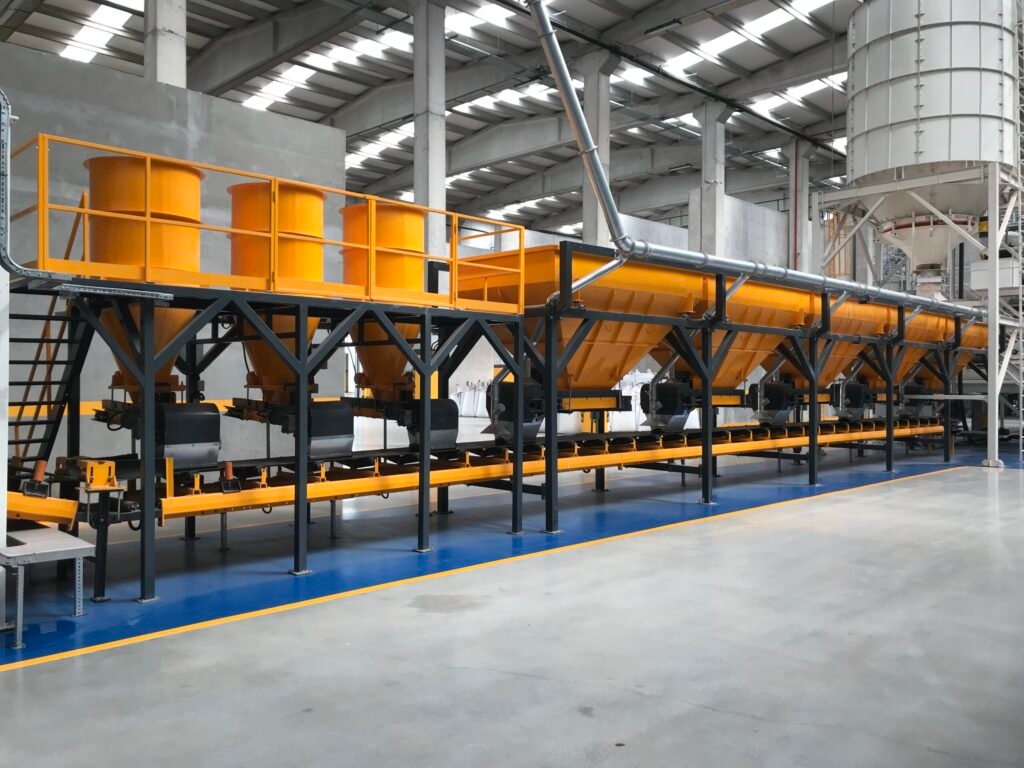
- Receive solid raw materials from big-bag or stockpile, including urea, MAP (monoammonium phosphate), potassium salts, and micronutrients essential for plant nutrition, similar to the solid feedstocks used in MAP and DAP fertilizer production plants
- Load-cell controlled weighing and batching for precise formula accuracy to provide nutrients in the correct proportions, similar in philosophy to our fertilizer blending system designs
- Screw and belt feeding with VFD speed control for consistent dosing
- Dust collection at transfer points to maintain a clean and safe operating environment
STEP 2 : Dissolution and Mixing
- Agitated mixing tanks sized for your batch volume and formula range to ensure uniform nutrient distribution
- Warm-water dissolution circuit for slow-dissolving raw materials like phosphorus and calcium compounds
- High-shear agitators for complete, lump-free dissolution, improving nutrient uptake by plants
- Automatic dosing of liquid additives, micronutrient solutions, and other fertilizers to support plant growth and achieve excellent results
STEP 3 : Filtration and Stabilization
- In-line filtration removes insoluble residues before storage, ensuring the liquid fertilizer remains clear and stable, just as controlled drying and dust management are critical in granulation fluid bed dryer systems
- Continuous monitoring of pH, electrical conductivity (EC), and density for every batch to maintain product quality and effectiveness
- Additive dosing for stabilization and anti-crystallization control to prevent precipitation and maintain uniformity
- Batch approval against formula specifications before transfer to storage or filling, guaranteeing consistent nutrition delivery
STEP 4 : Storage and Filling
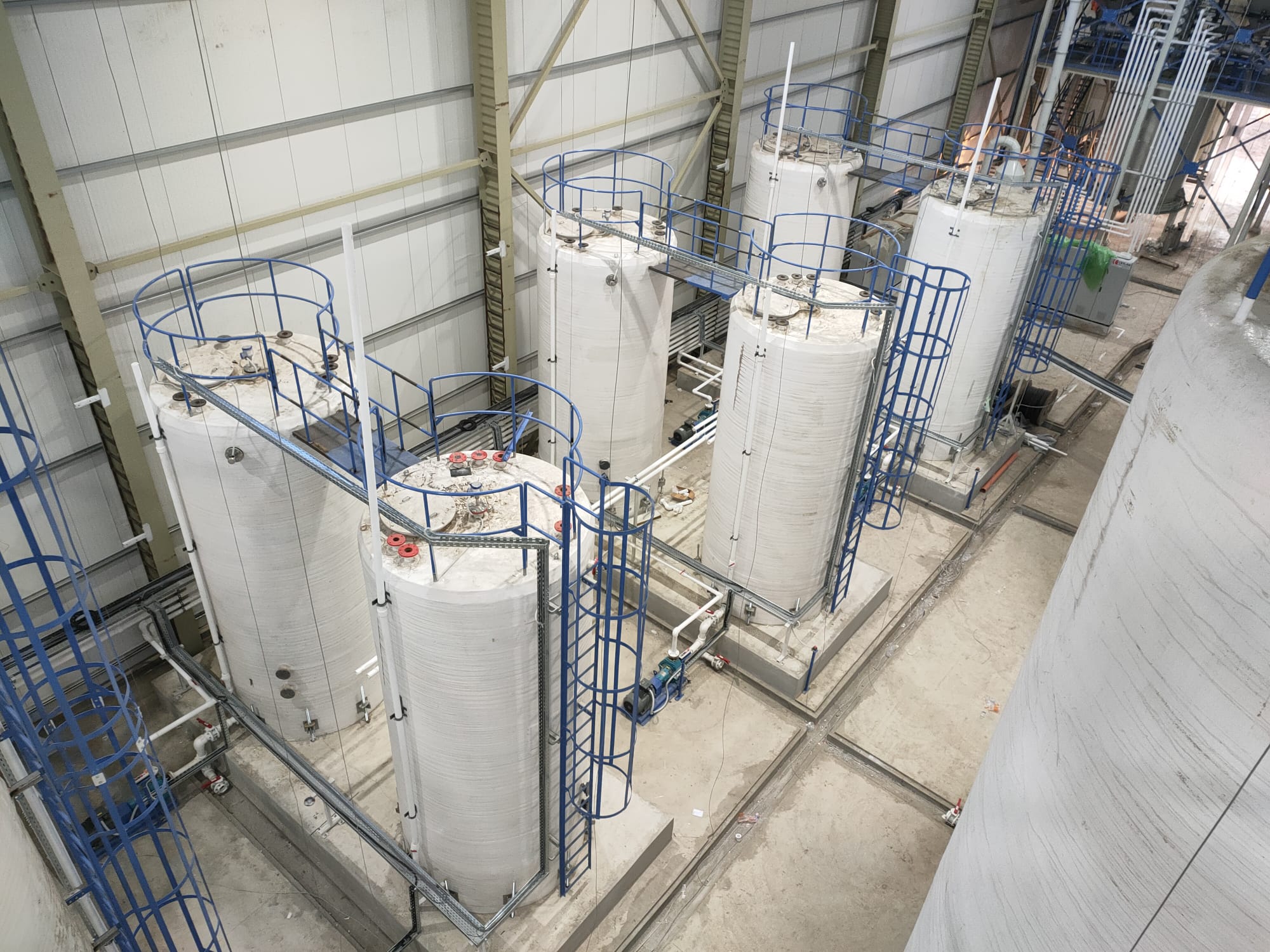
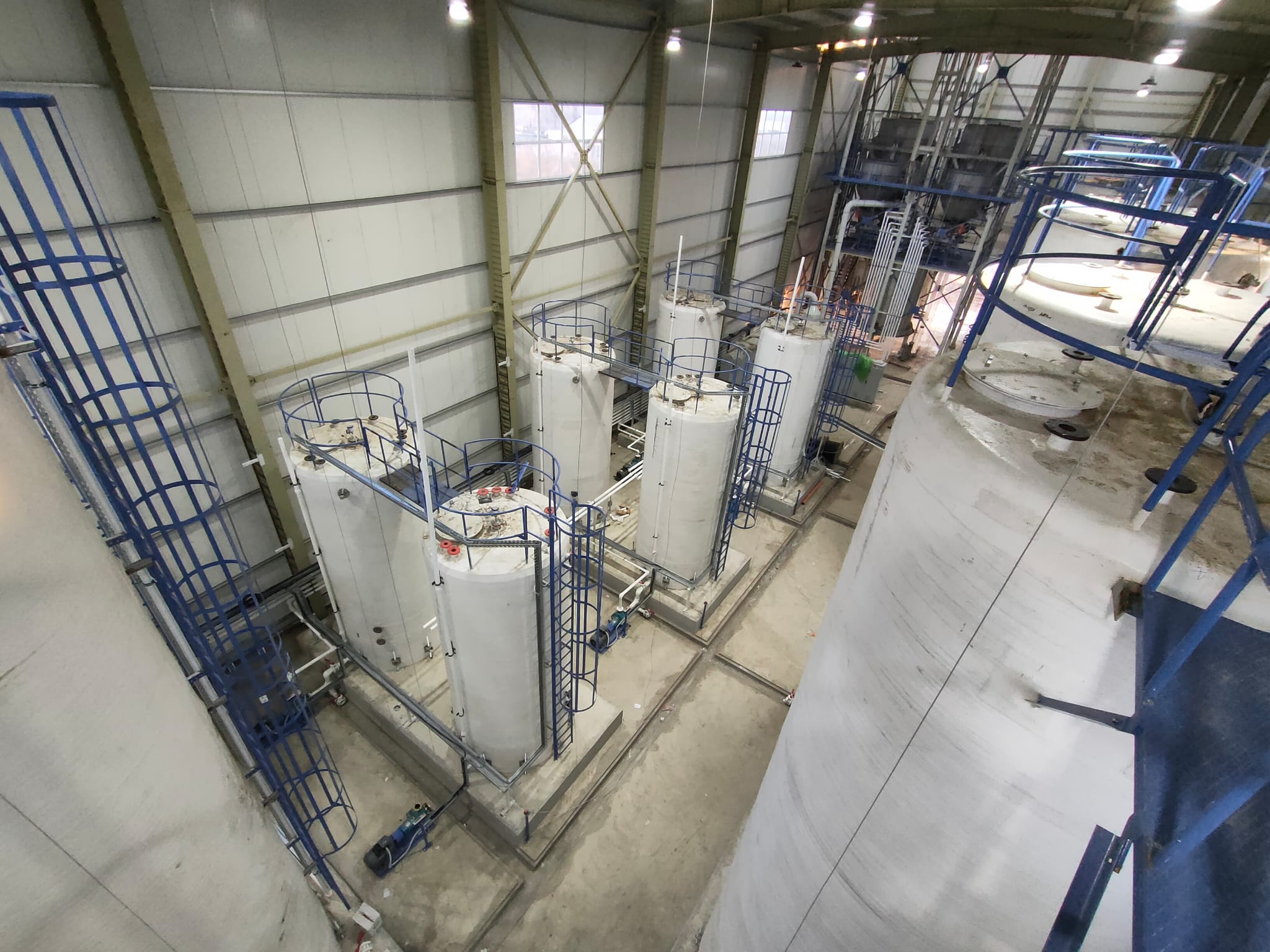
- Corrosion-resistant storage tanks with level monitoring designed for liquid fertilizers containing nitrogen, sulfur, and other essential nutrients
- Transfer pumps and pipework selected specifically for handling corrosive liquid fertilizers safely and efficiently
- Filling stations for IBC tanks, drums, and bottles with volumetric dosing to ensure precise application rates
- Labeling, capping, and palletizing options available for a complete production line ready for distribution
Work With Us
Designing a reliable liquid fertilizer production facility requires more than tanks and pumps. It demands corrosion-resistant materials, dosing accuracy, and mixing systems sized correctly for real production targets to support plant growth effectively.
At Ceylan Machine & Process, we build liquid fertilizer production equipment using high-quality, corrosion-resistant materials, engineered for continuous operation and consistent output. Our systems support nutrient uptake by crops and are formulated to provide nutrients in liquid form for immediate absorption.
Every project is designed around your formulas, batch sizes, and site conditions, reflecting our broader expertise in fertilizer plant design. Our systems are delivered with our machinery guarantee and can be specified with guaranteed production capacity, so performance expectations are clear from the start.
From concept design to commissioning, we support the full lifecycle of your liquid fertilizer plant, applying the same modular thinking used in our turnkey fertilizer plant solutions and the structured approach we use when commissioning an NPK granulation plant.
Fill out a form to get started.
Frequently Asked Questions
What is a liquid fertilizer production process?
A liquid fertilizer production process dissolves solid nutrients — such as urea, MAP, and potassium salts — together with liquid inputs into a stable solution or suspension. Accurate dosing, complete dissolution, and filtration keep the final product homogeneous, sprayable, and safe to store. This process helps produce fertilizers that can be applied as foliar sprays or soil treatments to support plant growth and nutrient uptake.
Can the system be customized for specific formulas?
Yes. Tank volumes, agitator types, dosing lines, and filling stations are sized around your formula range, batch volume, and production targets. The same line can typically run NPK solutions, micronutrient blends, and other water-soluble formulas with recipe-based control. This flexibility allows for formulations tailored to different crops such as corn, soybeans, alfalfa, and vegetables
How is product quality controlled during production?
Each batch is monitored for pH, electrical conductivity, and density, and raw materials are weighed with load-cell accuracy before dissolution. Filtration before storage removes insoluble residues, so the product stays clear and stable through storage and application. This ensures the fertilizer delivers nutrients effectively and prevents issues like fertilizer burn or reduced uptake.
Is liquid fertilizer production suitable for high-capacity facilities?
Yes. Batch systems can be scaled with larger tanks and parallel mixing lines, while continuous dosing and dissolution designs support higher outputs, just as with well-engineered fertilizer granulation plants. Storage, pumping, and filling capacity are sized so the plant keeps pace with demand, an approach that also underpins efficient NPK fertilizer manufacturing and granulation lines. This scalability helps farmers and agriculture businesses meet the needs of large acreages efficiently during the growing season.