




Unité de fusion d’urée
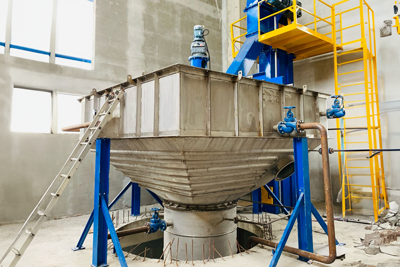
Notre fondoir à urée produit une alimentation en urée fondue homogène pour la granulation d'engrais. Un chauffage contrôlé, un temps de séjour court et des circuits d'écoulement conçus pour éviter la stagnation limitent la surchauffe et la formation de biuret, tout en assurant une alimentation fiable en urée fondue vers le granulateur.
Un chauffage uniforme et une régulation précise de la température contribuent à prévenir la surchauffe locale et à inhiber la formation de biuret supplémentaire.
Les voies d'écoulement et le drainage sont conçus pour éviter la fonte piégée, réduisant ainsi l'exposition prolongée à la chaleur et l'accumulation de dépôts.
Un faible stock d'urée fondue et une alimentation et une décharge coordonnées permettent de faire progresser l'urée vers la granulation au lieu de la maintenir chaude.
Description
Fusion contrôlée. Qualité du produit préservée.
Lors de la granulation d'engrais NPK à base d'urée, la qualité de la fusion est primordiale avant même la buse de pulvérisation. Une température excessive et un temps de séjour prolongé favorisent la formation de biuret. Un four de fusion d'urée bien conçu assure une fusion complète tout en minimisant l'exposition thermique nécessaire à la composition de l'engrais.
Ceylan conçoit le système de fusion et de transfert en optimisant l'apport de chaleur, la circulation uniforme du matériau et l'évacuation rapide. Les surfaces de chauffe, les circuits de circulation et le drainage de la cuve sont étudiés conjointement afin d'éviter la stagnation de l'urée, susceptible de rester chaude et de former des dépôts.
Il en résulte une solution axée sur le processus de préparation et d'approvisionnement en urée fondue pour la ligne de granulation. La capacité, la température de fonctionnement, les matériaux et l'automatisation sont sélectionnés en fonction de votre matière première, des utilités disponibles et des exigences en aval.
Principales caractéristiques et avantages :
- Contrôle de la température pour inhiber la formation du biuret :
L'apport de chaleur est adapté à la fusion, avec une surveillance et une régulation de la température afin d'éviter toute surchauffe. La plage de fonctionnement est sélectionnée en fonction de la composition réelle de l'urée et du procédé en aval, plutôt que selon une température fixe universelle. - Chemins d'écoulement sans zones de stagnation :
La géométrie du récipient, la disposition des surfaces de chauffe et le positionnement de la sortie sont conçus pour assurer la circulation du matériau. Éviter la formation de matière fondue stagnante réduit l'exposition prolongée à la chaleur et les conditions favorisant la formation de dépôts riches en biuret. - Temps de séjour court et contrôlé :
Un faible niveau de liquide fondu et une alimentation et un soutirage coordonnés des solides limitent la durée pendant laquelle l'urée reste chaude. La conception prend en compte le fonctionnement à charge réduite ainsi que la capacité nominale. - Alimentation constante pour la granulation :
La température de fusion stable et le débit permettent une pulvérisation contrôlée dans le tambour de granulation. Le chauffage, l'isolation et la filtration de la ligne de transfert sont spécifiés en fonction des exigences de fusion et de buse.
Des détails de conception intelligents qui rapportent
- Surface de chauffe adaptée à l'usage :
Une surface d'échange thermique suffisante permet une fusion complète sans recourir à des températures excessives du fluide caloporteur. La régulation côté vapeur et l'évacuation des condensats sont intégrées au système lorsque le chauffage à la vapeur est choisi. - Géométrie drainable et intérieur accessible :
Les voies d'évacuation et les accès pour la maintenance sont pris en compte dès le départ, ce qui permet aux opérateurs d'inspecter et de nettoyer les zones où des dépôts pourraient autrement s'accumuler. - Transfert par fusion à chaud :
L'isolation et un chauffage correctement contrôlé des tuyauteries de transfert, des vannes et des filtres contribuent à prévenir la cristallisation entre le four de fusion et le système de pulvérisation. - Surveillance des processus et contrôles de protection :
La surveillance de la température, du niveau et des débits d'alimentation/de décharge peut être intégrée au système de contrôle de l'installation. Des fonctions d'alarme et d'arrêt sont définies en fonction de la configuration de chauffage et des risques d'exploitation spécifiques. - Matériaux sélectionnés pour l'alimentation réelle :
Les matériaux en contact avec le fluide sont sélectionnés en fonction de leur composition en urée, des contaminants présents, de la température et de la méthode de nettoyage approuvée. Les raccords de ventilation peuvent être intégrés au système de traitement des vapeurs de l'installation.
Caractéristiques
Capacité de fusion
Dimensionné en fonction de votre taux de fusion d'urée et de vos conditions d'alimentation requis.
Temps de résidence
Moins de 7 minutes
Valeur spécifique au projet, soumise à vérification de la conception à pleine charge et à charge réduite.
Matériaux mouillés
Sélectionnés en fonction de la composition de l'alimentation, des impuretés, de la température de fonctionnement et des exigences de nettoyage.
Température de fusion
134–137 °C
Plage de fusion indicative ; les points de consigne définitifs dépendent de l’alimentation et du procédé.
Mode de fonctionnement
Configuré pour le programme de production et la demande de fusion stable de la ligne de granulation.
Intégration des usines
Interfaces de manutention des aliments, de transfert de matière fondue chauffée et de contrôle adaptées à l'installation.
Pourquoi choisir notre appareil de fusion d'urée ?
La réussite de la fusion de l'urée dépend de plusieurs facteurs, et pas seulement de la puissance de chauffage. La température, le temps de séjour et le flux interne doivent agir de concert pour préserver la qualité de la masse fondue et assurer une granulation stable.
Notre approche de conception privilégie une exposition thermique contrôlée, un drainage sans zones stagnantes et un accès aisé pour la maintenance. Le four de fusion est conçu en harmonie avec l'alimentation en solides, le transfert de matière fondue et l'interface du granulateur, afin d'assurer des performances adaptées à l'ensemble de la ligne de production.
Veuillez nous indiquer votre capacité de fusion requise, les spécifications de votre alimentation en urée, vos équipements de chauffage disponibles et votre procédé de granulation. Nous définirons une configuration d'équipement adaptée et les exigences opérationnelles spécifiques à votre projet.
Foire aux questions
Comment le contrôle de la température contribue-t-il à limiter la formation de biuret ?
Un chauffage prolongé ou à des températures inutilement élevées de l'urée favorise la formation de biuret supplémentaire. Un apport de chaleur contrôlé et une surveillance de la température permettent de maintenir la masse fondue dans sa plage de fonctionnement spécifiée. Un chauffage uniforme, un temps de séjour court et l'absence de zones stagnantes sont tout aussi importants. Cette approche limite la formation de nouveau biuret ; elle ne permet pas d'éliminer le biuret déjà présent dans l'alimentation.
Pourquoi est-il important d'éviter les zones de stagnation ?
Une poche stagnante retient l'urée fondue à l'écart du flux principal. Ce matériau peut rester chaud bien plus longtemps que le temps de séjour moyen, favorisant la formation de biuret et de dépôts. Des composants internes orientés vers l'écoulement, une circulation efficace là où c'est nécessaire et une géométrie drainable contribuent à maintenir la masse fondue en mouvement et facilitent le nettoyage.
Quelle doit être la température de fonctionnement d'un appareil de fusion d'urée ?
Il n'existe pas de température unique convenant à toutes les installations. L'urée pure fond à environ 133 °C, tandis que l'eau et d'autres constituants modifient son comportement de cristallisation. La plage de fonctionnement doit permettre une fusion complète et un transfert fiable sans surchauffe excessive. Les points de consigne définitifs sont définis pour la composition de l'alimentation, le système de chauffage et les exigences du granulateur.
Quelles informations sont nécessaires pour dimensionner un appareil de fusion d'urée ?
Spécifiez le débit de fusion de l'urée requis, la charge de fonctionnement minimale, la température, l'humidité et la teneur en biuret de l'urée entrante, la vapeur disponible ou tout autre moyen de chauffage, ainsi que les conditions de fusion requises au niveau du granulateur. Ces paramètres déterminent la puissance de chauffage, le stock disponible, les matériaux et l'organisation du transfert. Toute garantie de performance doit être liée aux conditions d'alimentation et de fonctionnement convenues.