



Key Takeaways
- A turnkey fertilizer plant built around a modular design can handle shifting production needs without forcing a full rethink of the layout.
- With modular manufacturing and skidded systems, more of the build can be handled off-site under tighter working conditions.
- That kind of setup also makes it easier to recover usable material, manage utilities, and support a closed-loop recycling system.
- Over time, the plant becomes easier to maintain, easier to expand, and faster to move from construction into production.
Nowadays, fertilizer producers are working through raw material volatility, energy uncertainty, tighter efficiency demands, and growing pressure to build turnkey fertilizer plants that can respond without constant redesign.
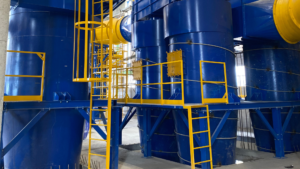
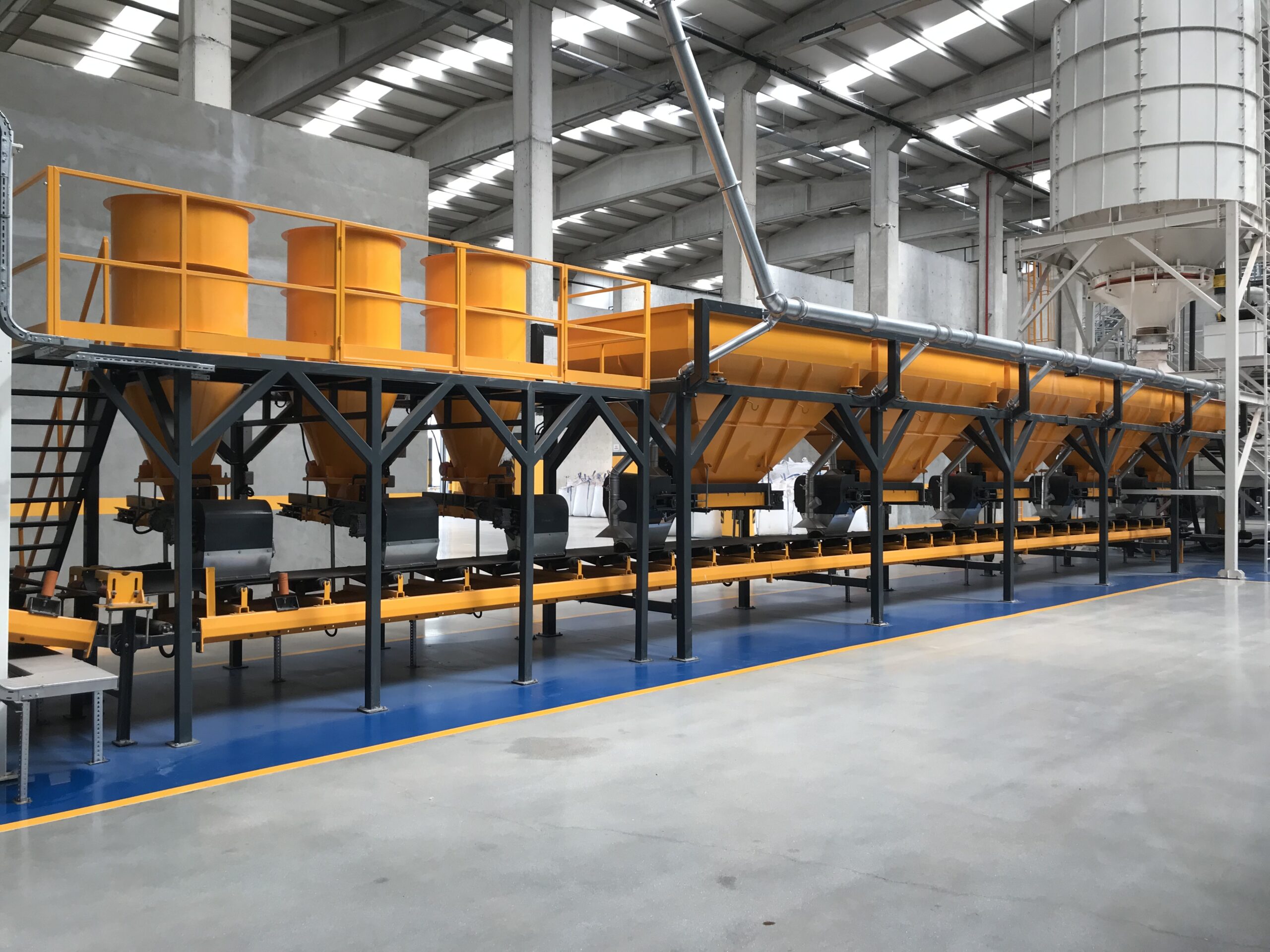
In that environment, modular manufacturing systems, which include preassembled process units, like skidded systems, offer a technical answer to market instability. They help engineers organize process sections, utility packages, and support functions with more control from the start, as well as the ability to adapt.
Today’s modern facilities shouldn’t be treated as static builds. They have to work as responsive assets that can handle changing production targets, utility requirements, and future process additions without losing coordination across the line.
That’s why a turnkey fertilizer plant now has to be planned around adaptability as much as immediate output.
From Stick-Built Construction to System Integration
The traditional timeline for a turnkey fertilizer plant is built in a strict sequence: site clearing must precede foundations, which precede the structural shell before any mechanical piping can begin. Because of this, delays in site work can hold up everything else that follows.
A modular approach changes that by allowing modular manufacturing systems to be fabricated and tested off-site while civil works continue in parallel.
Instead of shipping loose parts to the site, engineers deliver pre-engineered sections, including skidded systems for dosage, granulation, pumping, or liquid handling. That improves build accuracy and shifts more mechanical and electrical work into controlled workshop conditions.
This also strengthens the quality control of the turnkey fertilizer plant build. Factory testing can catch valve, sensor, or control issues before installation, which is far less disruptive than finding them during commissioning.
At the site, the focus is placed on final connections between prepared sections rather than full assembly from scratch. This also results in a faster, more predictable path with less construction risk and a smoother transition into operation.
The Sustainability of Modular Plant Architecture
In a turnkey fertilizer plant, sustainability is often misunderstood as a purely environmental goal, but in high-tonnage production, it’s also about using heat, materials, water, and equipment more efficiently over the life of the facility.
That’s where modular manufacturing systems can help, because defined process blocks make it easier to contain heat, control dust, and integrate recovery equipment more deliberately.
A plant designed this way can also support a closed-loop recycling system that returns captured dust, fines, or off-spec material back into production instead of losing it as waste. That improves feedstock use and lowers avoidable product loss.
Adaptability to Constant Changes
In turnkey fertilizer plants, being able to update these environmental controls is another pillar of the sustainable model.
As global regulations on nitrogen runoff and carbon emissions tighten, a producer using modular manufacturing systems is better positioned to stay compliant without stopping production for months. If a new, high-efficiency scrubber or a water reclamation unit becomes a legal requirement, the manufacturer can simply plug in a new module to the existing utility headers.
This flexibility ensures that the plant remains a modern, compliant asset that doesn’t require a massive structural overhaul every time some policy changes.
Furthermore, energy management is greatly improved when the facility is partitioned into skidded systems for its thermal and utility functions. When you isolate the energy-heavy sections of the plant, such as drying and cooling blocks, you can apply targeted insulation and heat exchange technologies that are much harder to implement in a monolithic building.
This results in a turnkey fertilizer plant that runs leaner, consumes less fuel, and provides a more orderly environment for operators. Basically, it transforms sustainability from an abstract marketing term into a mechanical reality that protects the local environment and the company’s long-term operational margins.
Operational Resilience and Maintenance Logic
A high-performance fertilizer plant must be judged by its uptime as much as its initial cost. In traditional facilities, a single mechanical failure in a dosing pump or a steam valve often requires a total process shutdown because the equipment is hard-piped into the building’s primary infrastructure. However, in modular systems, you can isolate specific functions for maintenance without compromising the rest of the production line.
Furthermore, because each skid is engineered as a self-contained unit in a factory setting, the placement of valves, sensors, pumps, and motor drives is optimized for easy human access. This also makes turnkey fertilizer plants safer and more efficient, not to mention that the layout can help operators catch leaks, drifts, or wear early.
Digital Integration
Digital oversight strengthens that structure. Because modular manufacturing systems have clearer boundaries, they are easier to connect to centralized controls and performance monitoring.
In operational terms, that gives plant teams better visibility into energy use, equipment addition, process stability, and the mechanical health of every module. It’s useful for predictive maintenance so that the plant can operate at peak efficiency.
Phased Expansion Makes Economic Sense
A turnkey fertilizer plant is a major capital decision, and demand does not always justify building full long-term capacity on day one. As a manufacturer, if you build too small, you face a disruptive and expensive expansion later; if you build too large, you carry the weight of underutilized assets and high debt service.
However, with modular designs, you can take advantage of phased expansion. You can commission a strong base facility first, while planning utility headers, layout, and connection points for later additions.
That approach also improves asset flexibility because additional skidded systems for blending, coating, dosing, or liquid handling can be added without forcing a major rebuild. In practical terms, this turnkey fertilizer plant shortens the path from investment to production, supports earlier revenue generation, and helps the facility scale in line with actual business growth rather than speculation.
Build Your Modular Turnkey Fertilizer Plant With Ceylan Machine & Process
For manufacturers planning a future-ready turnkey fertilizer plant, the real challenge is building a facility that can keep pace with changing production demands, unpredictable supply chain volatility, tighter efficiency targets, and long-term investment pressure.
But that’s where Machine et Procédé Ceylan comes in. With smart system design, tonnage-based plant engineering, and the ability to deliver complete fertilizer production solutions, we help our clients build plants that are structured for performance from the start.
By combining modular manufacturing systems with well-planned skidded systems, the result is a facility that’s easier to scale, adapt, and better prepared for long-term operation.
To take advantage of our high-quality materials and guarantees on our machinery and production tonnage, fill out the form to get started.
Foire aux questions
Doesn’t a turnkey fertilizer plant require more space if it is modular?
No. It’s true that you’ll need careful layout planning, but modular design often optimizes space by stacking skidded systems and using the vertical volume more effectively than traditional spread-out builds. With the precision engineering done in a workshop, you’ll likely get an even smaller footprint for the same tonnage output because of the tighter tolerances.
How do modular manufacturing systemshandle specialized fertilizer formulas?
Because the process is partitioned, you can dedicate specific skid systems to unique additives or coatings. This allows a turnkey fertilizer plant to switch between NPK, MAP, or DAP production with minimal cross-contamination and faster changeover times compared to monolithic, hard-piped lines.
What’s the typical lead time for these modular systems?
While the engineering phase is intensive, the overall project timeline is usually 30% to 50% faster. Because skidded systems are built in parallel with site foundations, the time to first bag is significantly reduced, allowing the plant to begin generating revenue months ahead of a stick-built competitor.
Are these systems compatible with green ammonia or hydrogen sources?
Absolutely. The modular nature of a modern turnkey fertilizer plant is designed for the energy transition. As green hydrogen or renewable ammonia becomes more accessible, the primary intake skidded systems can be upgraded or replaced to handle new feedstocks without requiring a total redesign of the granulation or packaging lines.