


Kova Asansörü
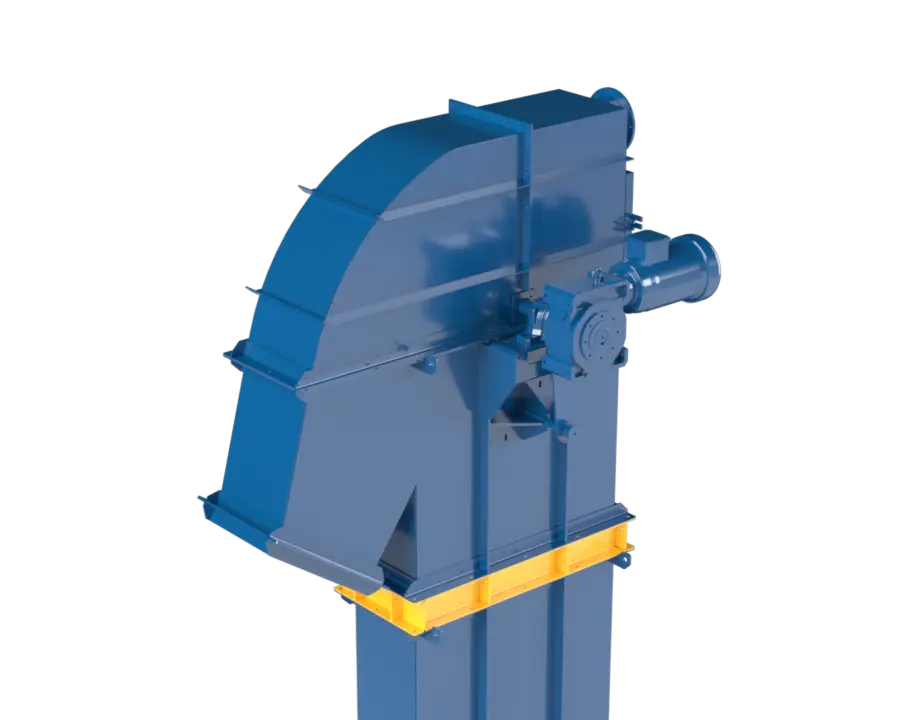
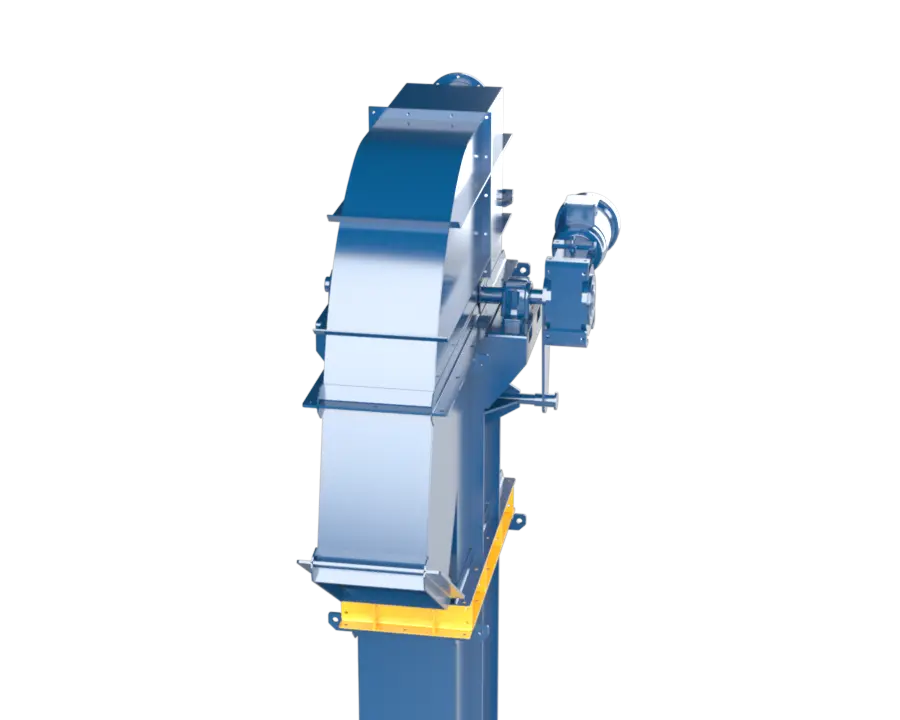
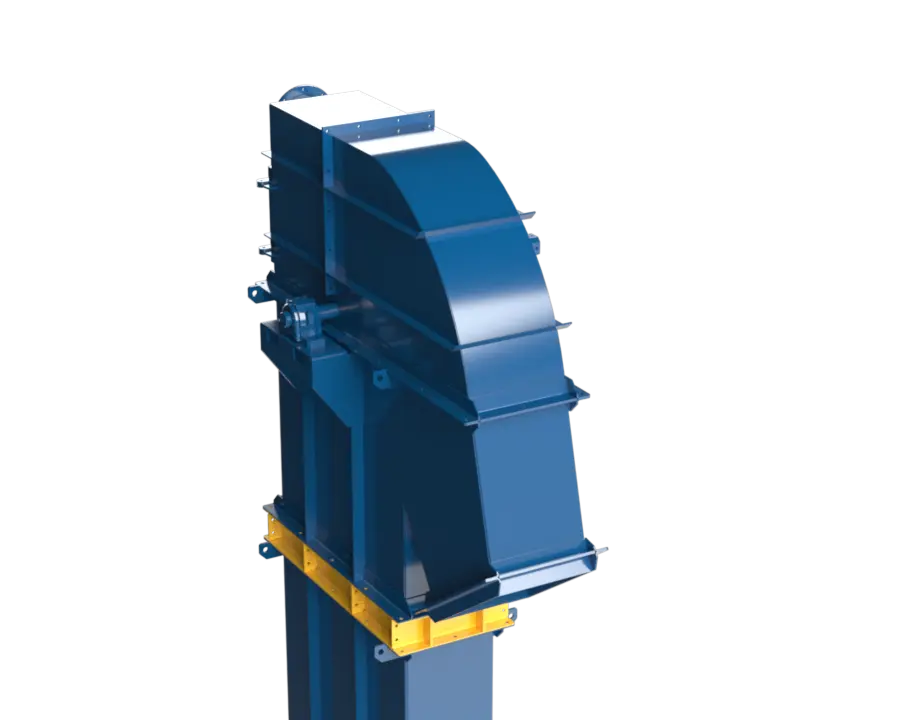
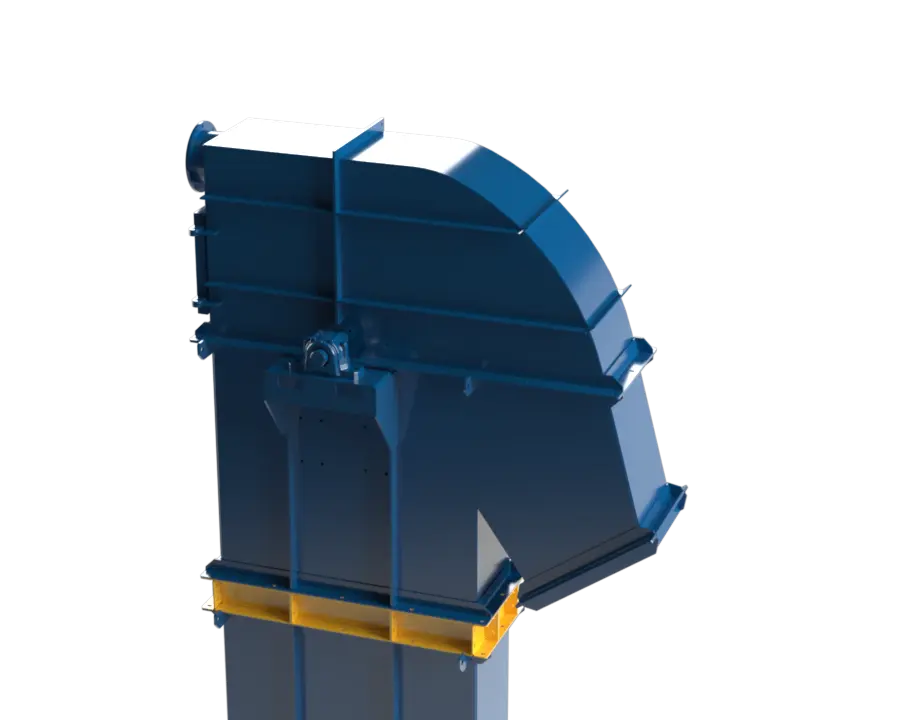
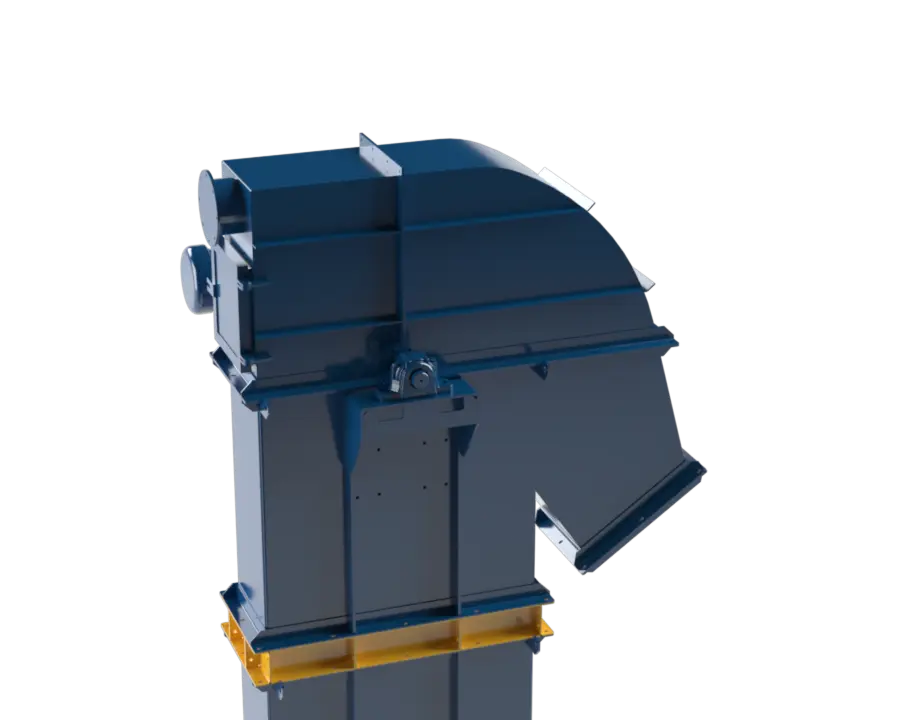
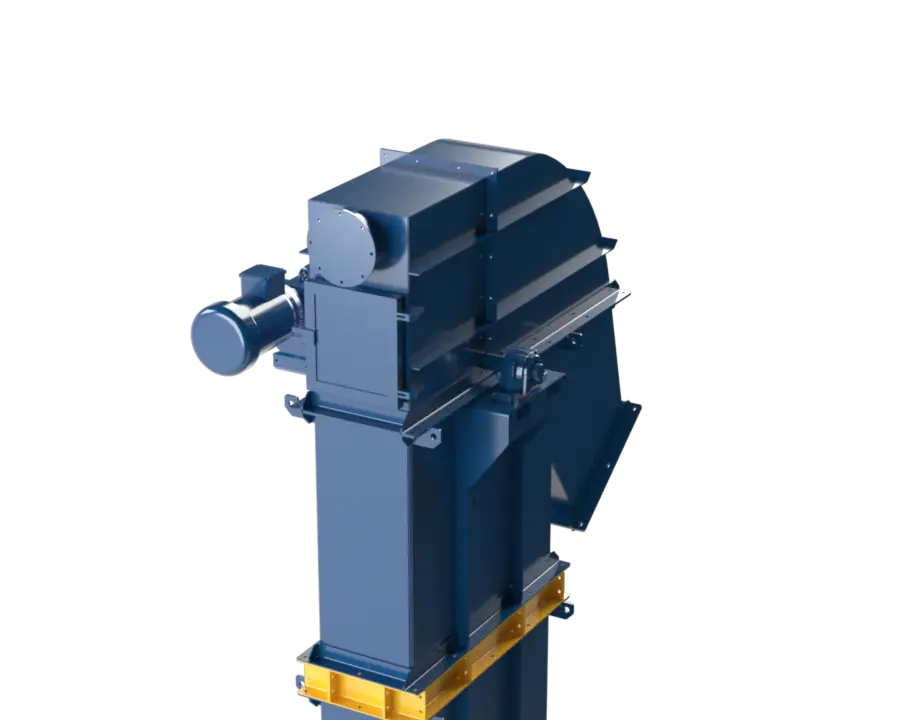
Tamamen kapalı bir muhafaza içerisinde, granül ve toz halindeki dökme katı malzemelerin temiz, nazik dikey transferi.
Contalı kablo kanalı, körükten kapağa kadar kesintisiz sızdırmazlık.
Kontrollü deşarj yörüngesi, düşük ince tanecik oluşumu
Saatte 120 tona kadar kapasite, merkezden merkeze 40 metreye kadar asansörler.
Açıklama
Kovalı Elevatörlerimize Giriş
Bir granülasyon hattı, yerleşim planının gösterdiğinden çok daha sık dikey olarak malzeme taşır: ham madde dozaj hunilerine, granülatörden kurutucuya, soğutucudan eleklere, büyük boyutlu malzeme tekrar değirmene ve nihai ürün paketleme tanklarına. Bu taşıma işlemlerinin her biri, ince tanecikler oluşturma, ürünü yere dökme veya spesifikasyona göre kurutulmuş bir akıma nemli hava girmesine neden olma fırsatı sunar.
Kova elevatörlerimiz bu gerçekliğe göre tasarlanmıştır. Tamamen kapalı bir gövde, ürünün aşındırıcılığına ve nemine uygun kovalar ve yüklü bir kovanın başlangıç torkuna göre boyutlandırılmış bir tahrik sistemi, elevatörün tesisin kullanılabilirliğini belirleyen makine olmaktan ziyade, devrenin en az sorun çıkaran parçası olmasını sağlar.
Ana Özellikler ve Faydalar:
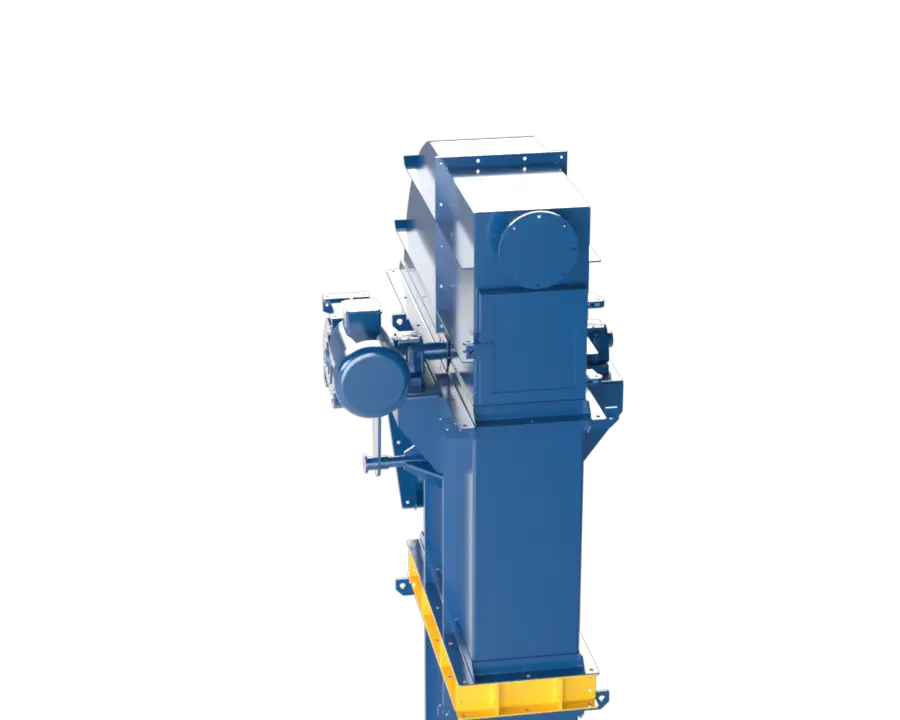
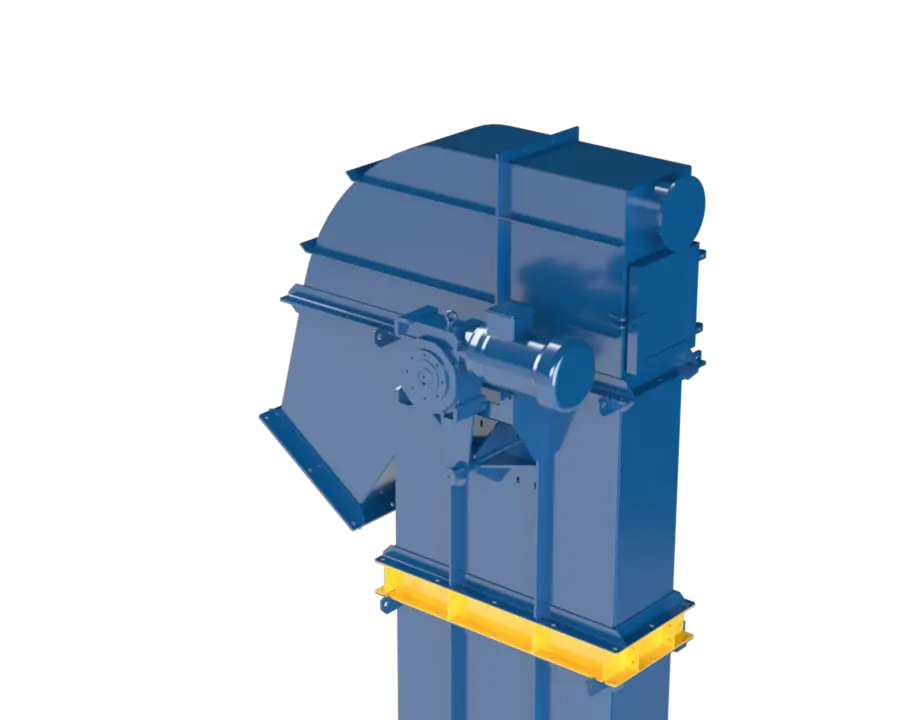
Temiz ve Nazik Dikey Transfer İçin Endüstriyel Kovalı Elevatör Tasarımı
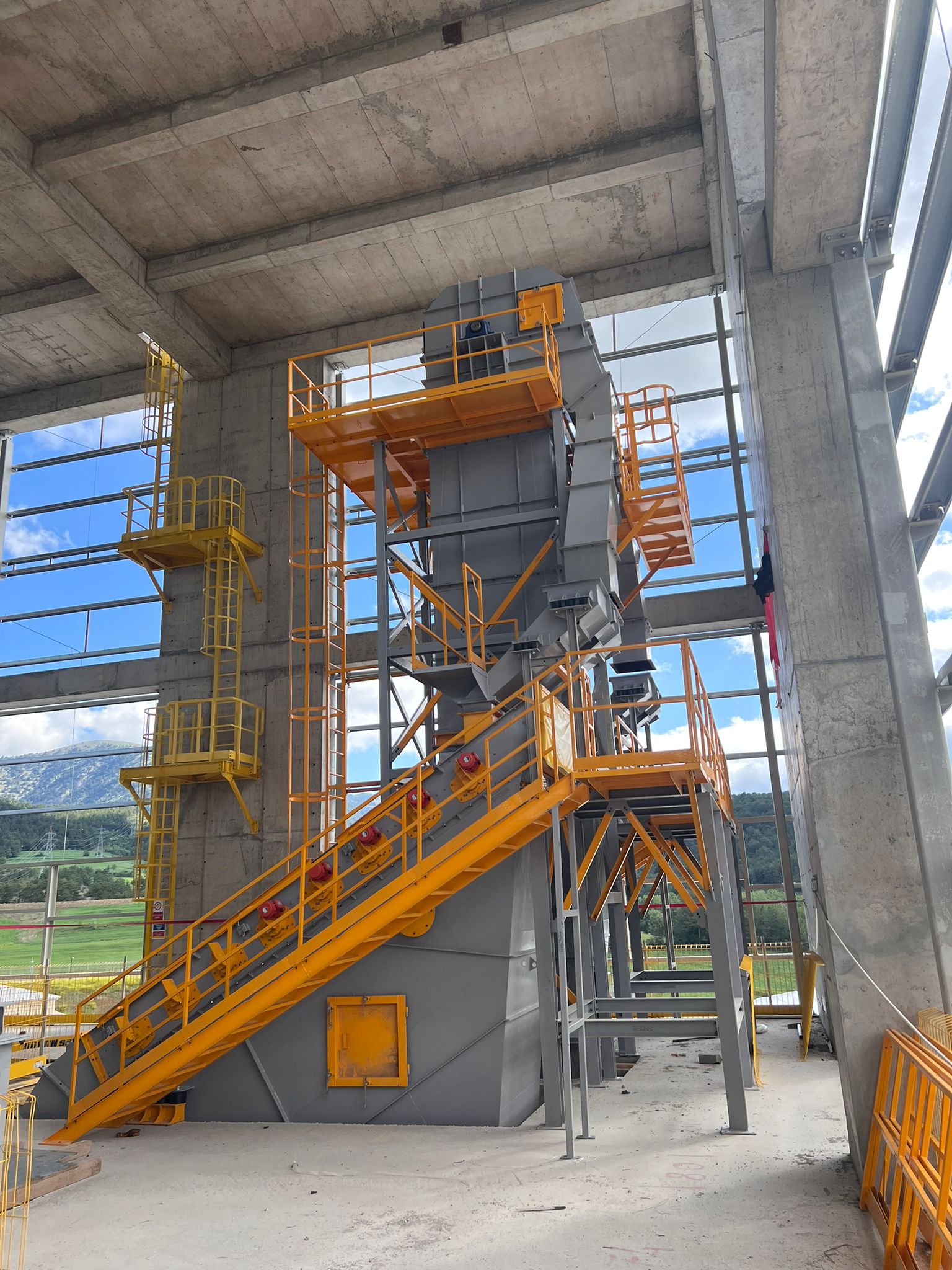
- Toz geçirmez, hava koşullarına dayanıklı kasa: Borular, cıvatalı, contalı bağlantılar ve tabandan başlığa kadar kesintisiz bir sızdırmazlık sağlayan 3-5 mm karbon çelikten imal edilmiştir. Gübre higroskopiktir, bu nedenle ortam neminin muhafazanın içine girmesini engellemek, tozun içeri girmesini engellemek kadar önemlidir; sızdırmaz boru, kurutucuda elde edilen nem içeriğini korur ve kova ağızlarında topaklanmayı önler. Galvanizli veya epoksi kaplama, standart olarak uygulanmak yerine, formülasyonun klorür yüküne göre belirlenir.
- Ürüne uygun kova ve taşıma bandı: Preslenmiş çelik, paslanmaz çelik veya polietilen kovalar, aşındırıcılık ve nem içeriğine göre seçilir ve daha sonra çelik bağlantı elemanlarıyla kauçuk bir banda cıvatalanır; böylece hasar görmüş bir kova, tüm telin değiştirilmesi yerine on dakikalık bir değişimle on dakika içinde değiştirilebilir. Santrifüj boşaltma, serbest akışlı granüller için uygundur; sürekli kovalar, atılmaması gereken kırılgan veya ince malzemeler için belirtilir.
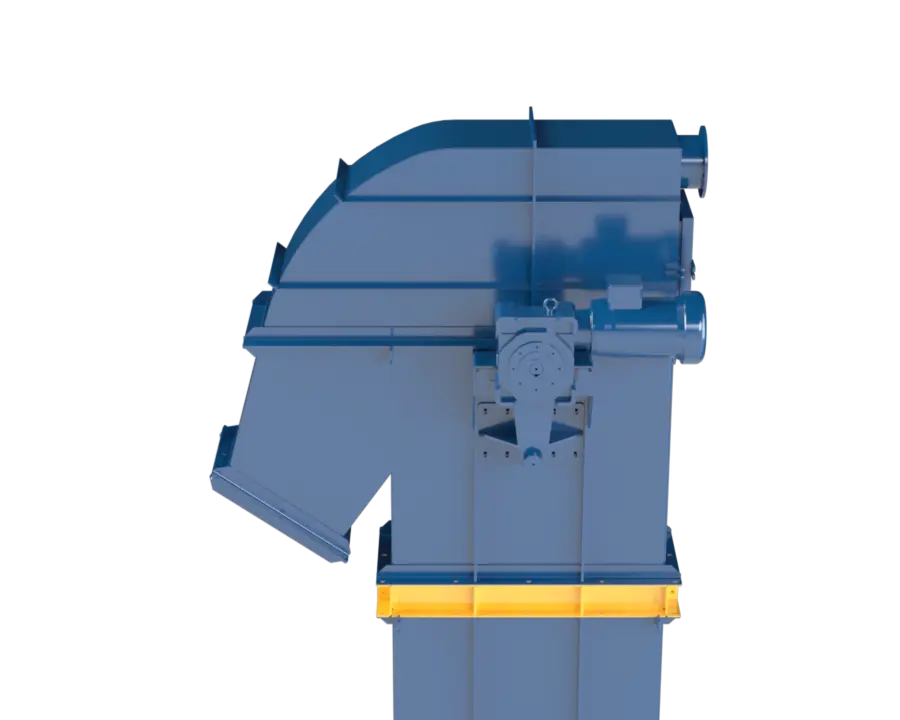
- Nazik İşlem, Düşük İnce Toz Oluşumu: Kayış hızı, baş kasnak çapı ve boşaltma boğazı geometrisi birlikte ayarlanarak, ürünün kova duvarına çarpmak yerine kontrollü bir yörünge üzerinde kovadan ayrılması sağlanır. Elevatördeki aşınma doğrudan geri dönüşüm yükü olarak geri aktarılır, böylece düşük etkili boşaltma, granülatörün elde etmeyi amaçladığı boyut dağılımını korur.
- Yüksek yük altında ve kesintisiz çalıştırmalar için tasarlanmıştır: Bu tahrik sistemi, sadece yük taşıma kapasitesi için değil, su basmış bir botta yeniden başlatma kapasitesi için de boyutlandırılmıştır. Geri dönüş önleyici bir mekanizmaya sahip şafta monte edilmiş dişli motor, güç kaybı durumunda yüklü kayışın tersine dönmesini engeller ve botta, gömülü ürünün ayağı sökmeden temizlenebilmesi için bir temizleme kapağı ve vidalı gerdirme mekanizması bulunur.
Geri Dönüşü Sağlayan Akıllı Tasarım Detayları
- Her platformda kontrol kapıları: Her kat seviyesindeki her iki kablo kanalı hattında bulunan cıvatalı ve contalı kapılar, iskele veya bölüm sökme işlemine gerek kalmadan kayışın, kovaların ve ek yerinin kontrol edilmesine olanak tanır.
- Hizalama ve Hız İzleme Hazır: Hız düşüklüğü, kayış hizalama hatası ve tıkanmış oluk sensörleri için önceden monte edilmiş bağlantı noktaları, asansörü tesisin PLC'sine bağlar, böylece kayan bir kayış, gövdeyi yakmadan çok önce tespit edilir.
- Tam genişlikte temizleme açıklığına sahip vidalı gergi kılıfı: Gerilim, kasanın dışından ayarlanır ve tam genişlikte bir temizleme kapağı sayesinde, su basmış bir kabin, eğim değişikliğinde bir saat yerine dakikalar içinde boşaltılabilir.
- Modüler Kablo Kanalı Bölümleri: Standart uzunluktaki kablo kanalları, ortak bir cıvata deseni kullanılarak bölümler eklenerek kaldırma yüksekliği ayarlanır ve hasarlı bir bölüm sipariş üzerine üretilmek yerine stoktan yenisiyle değiştirilir.
- Hedefler ve Yardım Hükümleri: Başlık ve alt kısım, tesisin toz toplama sistemine bağlantı için portlarla ve ürünün toz sınıflandırmasının gerektirdiği durumlarda tahliye paneli düzenlemeleriyle birlikte tedarik edilir.
Teknik Özellikler
Kapasite
Tesisin kapasitesine göre hesaplanmıştır.
Asansör yüksekliği
Merkezden merkeze 40 metreye kadar
Çekiş elemanı
Cıvatalı kovalara sahip kauçuk bant veya zincir
Kova malzemesi
Preslenmiş çelik, paslanmaz çelik veya polietilen
Kayış hızı
1,2 – 1,8 m/s
Sürekli çalışma gerektiren endüstriyel operasyon
7/24 çalışma
Kova asansörlerimizi neden tercih etmelisiniz?
Asansör, tüm bir tesisi durdurabilecek ucuz bir makinedir; bu nedenle onu konveyör olarak değil, proses ekipmanı olarak tasarlıyoruz. Gövde kalınlığı, kova malzemesi ve kaplama, katalogdan alınmak yerine, formülasyona ve klorür yüküne göre belirlenir.
Sürücü, yalnızca yük altında çalışmak için değil, yük altında yeniden başlatma için boyutlandırılmıştır ve önyükleme, kafa ve denetim kapıları, hattın çalışmasını durduracak şekilde değil, hat çalışırken rutin kontrollerin gerçekleşebileceği şekilde düzenlenmiştir.
Asansörün her iki tarafına da makineleri biz ürettiğimiz için, asansör asansöre uygun şekilde geliyor. granülasyon tamburu onu beslemek ve eğimli elek Bu ürün de, hattın geri kalanıyla aynı bir yıllık garantiyle birlikte sunulmaktadır.
Bizimle Çalışın
Ceylan Makine ve Proses Büyük ölçekli gübre üretimi için makineler üretiyoruz ve bunu 20 yılı aşkın süredir yapıyoruz. Türkiye ve Avrupa'da projeler tamamladıktan sonra, hizmetlerimizi uluslararası alanda genişletmeye devam ediyoruz. İhtiyaçlarınıza uygun parçaları eksiksiz bir şekilde teslim edebileceğimize güvenebilirsiniz. gübre üretimi için makineler Ayrıca tesisler için komple üretim sistemleri de.
Yüksek kaliteli, makine garantisi 1 yıl olan ve kapasite/üretim tonajı garantisi bulunan kova elevatörleri istiyorsanız, başlamak için bir form doldurun.
Sıkça Sorulan Sorular
Kova elevatörü hangi malzemeleri taşıyabilir?
Genellikle granül ve toz halindeki gübreler (NPK, üre bazlı karışımlar, MAP ve DAP) ile birlikte mineral tozları ve kimyasal tozlar kullanılır. Kova malzemesi, kova kalınlığı ve kaplama, tek bir standarda göre tedarik edilmek yerine, belirli ürünün aşındırıcılığı, nem ve klorür içeriğine göre seçilir.
Kayış mı, zincir mi? Hangisini tedarik ediyorsunuz?
Granüler gübre için varsayılan taşıma yöntemi bantlı elevatörlerdir: daha hızlı ve sessiz çalışırlar ve daha az ince tanecik üretirler. Malzemenin sıcak, keskin veya kauçuk banda zarar verebilecek kadar topaklı olduğu durumlarda veya kaldırma yüksekliği ve yükün pozitif tahrik elemanını daha güvenli bir seçim haline getirdiği durumlarda zincirli elevatörler tercih edilir. Her ikisini de varsayılan olarak birine değil, kullanım amacına göre boyutlandırıyoruz.
Asansör ne kadar yükseğe ve hangi kapasiteyle çıkabiliyor?
Kaldırma yüksekliği ve kapasitesi, sabit bir model yelpazesinden ziyade tesis düzeni ve hat verimliliğine göre belirlenir. Kanal sistemi standart uzunlukta modüler bölümlerden oluşturulur, bu nedenle yükseklik bölümlerin eklenmesiyle belirlenir; kapasite ise boşaltma düzeni sabitlendikten sonra kova boyutu, aralık ve bant hızına bağlıdır.
Tesis durdurulmadan asansörün bakımı nasıl yapılır?
Her katta bulunan her iki kablo kanalındaki kontrol kapıları, hat çalışırken kayışın, kovaların ve ek yerinin kontrol edilmesine olanak tanır. Kova değişimi cıvatalıdır, gerilim kasanın dışından vida gerdirme noktasından ayarlanır ve körük temizleme kapağı, suyla dolmuş bir körüğü dakikalar içinde temizler; böylece çoğu rutin iş, planlı bir duruşa sığar ve zorlayıcı bir duruş gerektirmez.
Asansör toz çıkarıyor mu veya ürün kaybına neden oluyor mu?
Kasa, tabandan başa kadar sızdırmaz ve contalıdır; baş ve taban kısımlarında, tesisin toz toplama sistemine bağlanan emme portları bulunur, böylece taşınan toz binaya yayılmak yerine dışarı çekilir. Boşaltma geometrisi, ürünü kovadan kontrollü bir yörünge üzerinde yukarı kaldırır; bu da hem tabana geri dökülmeyi hem de ince toz oluşumunu düşük tutar.
Asansör yüklü halde durursa ne olur?
Tahrik sistemindeki geri dönüş önleyici mekanizma, güç kaybı durumunda yüklü kayışın geri dönmesini engeller ve tahrik sistemi, yalnızca çalışan yüke karşı değil, aynı zamanda suyla dolmuş bir kılıfa karşı da yeniden başlatılacak şekilde boyutlandırılmıştır. Malzemenin sertleşmeye eğilimli olduğu durumlarda, kılıf temizleme kapağı, motorun durması yerine yeniden başlatmadan önce kılıfın boşaltılmasına olanak tanır.