



Fertilizer Granulation Plant: A Practical Guide to High-Quality NPK, DAP & Custom Blends
From raw materials to coated, free-flowing granules — process routes, equipment selection, operating windows, and quality control.

Why granular fertilizer?
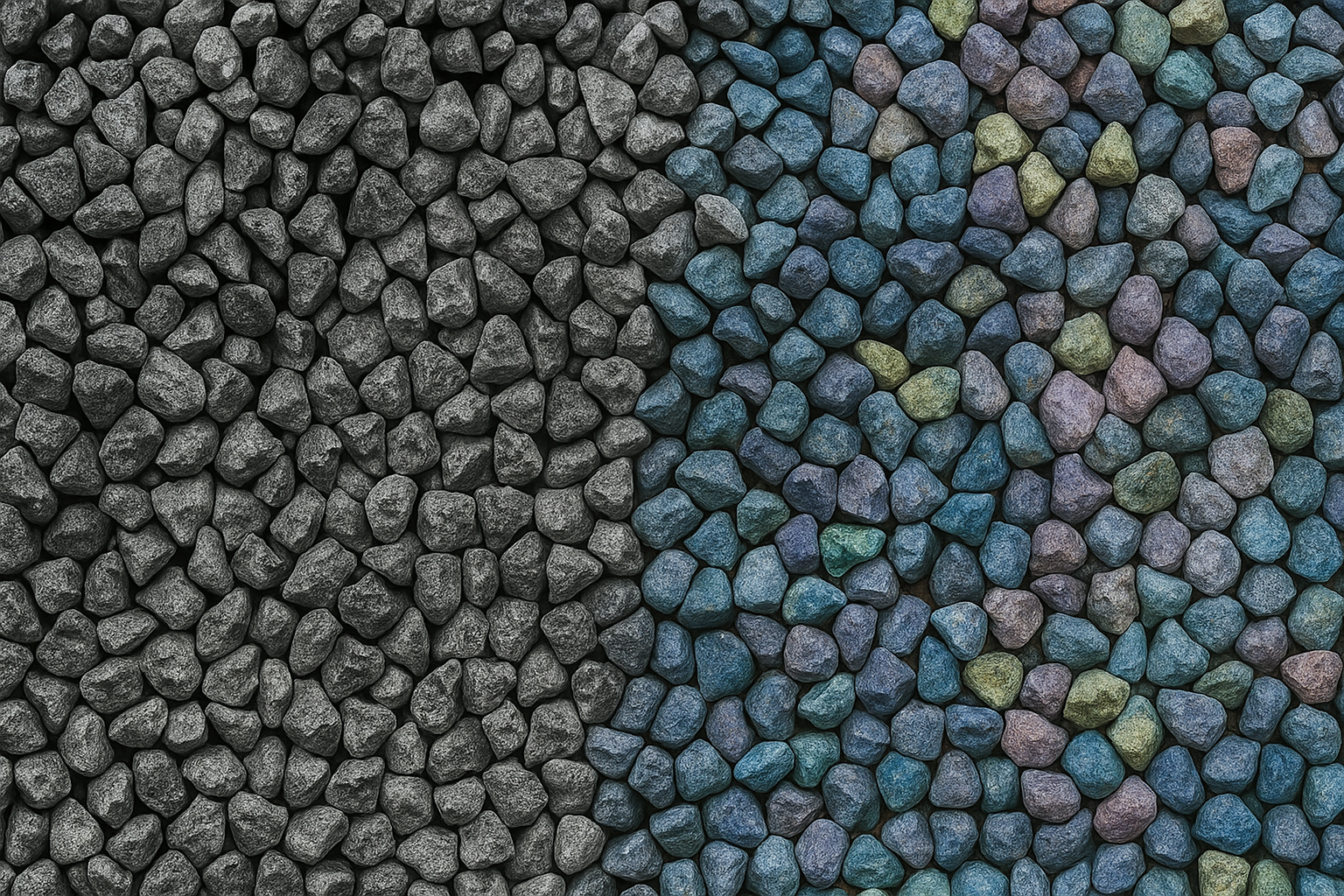
Granules (2–4 mm) spread evenly, resist dusting, and dissolve predictably — improving field distribution and nutrient use efficiency.
Reduced caking and segregation versus powders; lower losses in storage, conveying and bagging.
Coated, uniform granules with high crush strength build customer trust and allow premium blends.
Common process routes
Slurry-to-Granule (Chemical)
Raw acids and ammonia react to form a hot slurry that seeds granulation. Variants include pipe-reactor NPK, DAP/MAP, and nitro-phosphate routes.
Drum/Pan Granulation (Physical)
Fine solids (e.g., recycled fines, fillers) and binder solution build layers by wet agglomeration in a rotating drum or disc, followed by drying.
Compaction/Prilling (Alternative)
For urea-rich or specialty products, roll compaction or melt prilling may be used, then conditioning and screening.
Key equipment in a granulation line
Feed Prep & Dosing
- Loss-in-weight feeders for solids; coriolis or mag-flow for liquids.
- Inline static mixers for acid–ammonia; steam injection where needed.
Granulator
- Rotary drum (most common) or pan; liquid/binder spray lances; recycle loop.
- Target bed temperature typically 60–85 °C depending on formulation.
Dryer & Cooler
- Direct-fired rotary dryer to reach product moisture 1.0–2.5 %.
- Rotary cooler to stabilize temperature <40 °C before coating.
Screening & Recycle
- Double-deck screens split into undersize, on-size, oversize.
- Crush oversize; return fines to granulator (typical recycle ratio 2:1–5:1).
Coating & Anti-Caking
- Drum coater with mineral oil or polymer coatings 0.2–0.6 %.
- Special additives for hygroscopic salts (e.g., MgCl₂, KCl fine).
Dedusting & Scrubbing
- Baghouse filters for particulate; wet scrubbers for NH₃/acid mists.
- Return captured fines to process to minimize losses.

Operating windows & typical set-points
| Stage | Key Variables | Typical Range | Notes |
|---|---|---|---|
| Granulator | Bed temp, liquid rate, recycle ratio, residence time | 60–85 °C; 8–14% liquid on solids; 2:1–5:1 recycle; 4–10 min | Stabilize nucleation first; adjust spray pattern for layering. |
| Dryer | Inlet gas temp, exhaust temp, gas flow | Inlet 180–350 °C; outlet 70–95 °C | Control by exhaust temp & product moisture probe if installed. |
| Cooler | Bed temp out, air flow | <40 °C | Essential for coating adhesion and storage stability. |
| Coater | Oil/polymer rate, drum rpm | 0.2–0.6% (w/w) | Use anti-caking package for hygroscopic mixes. |
Values are indicative and must be validated for your formulation, climate, and equipment size.
Quality control & product specs
- Size distribution: 90% between 2–4 mm; 60–80% in the target “on-size” band.
- Crush strength: typically >3.5 kg (method-dependent).
- Moisture: 1.0–2.5% at bagging; verify after 24 h equilibrium.
- Bulk density: 0.9–1.3 t/m³ depending on recipe and compaction.
- Coating performance: caking index <10% after 30 days (spec-dependent).
- Dust: keep <20 mg/Nm³ at stacks where local regulations apply.
Emissions, safety & compliance
Design dedusting and scrubbing around worst-case gas volumes, filter velocities, and expected NH3/acid loads. Provide explosion-relief on cyclones/filters handling urea or organic coatings. Follow relevant codes and your local environmental permit conditions.
Best practices to boost OEE
1) Nail recycle control
Keep steady recycle ratio; avoid cold fines surge. Use bin level control and variable-speed feeders.
2) Moisture as master
Let final moisture (and sometimes exhaust temp) drive dryer fuel and granulator liquid addition.
3) Right internals
Proper lifter design and veil in dryer improve heat transfer and cut fuel use 5–15%.
4) Anti-caking strategy
Match coating chemistry to product: urea-rich vs. chloride-rich blends behave differently.
5) Maintenance windows
Plan weekly screen cloth checks, nozzle cleaning, and baghouse leak tests to protect quality.
6) Climate-aware storage
Control warehouse humidity and airflow; warm, humid air over cool product invites condensation.
FAQ
What’s the ideal granule size for broadcast spreading?
Most spreaders perform best with 2.5–4.0 mm granules and a narrow distribution around ~3.15 mm.
How do I reduce dust at bagging?
Lower fines by tightening screens, improving recycle control, and using a thin coating. Add local extraction hoods and ensure soft drop heights into the packer.
Can I granulate hygroscopic salts like MgCl₂?
Yes, but use low-moisture operation, rapid cooling, dehumidified storage, and a compatible multi-component coating system.
Plan a new granulation line or upgrade?
Process design, drum & dryer sizing, dust control, coating, and start-up support.